As someone who gets up at 4.30am on 330 days of the year, I’ve decided that 8.30 in the morning is a dignified time to wake up on the other 35. The Spanish lifestyle is kind of like daylight saving, but in the opposite direction. Wake up 8.30am, coffee/hot chocolate for breakfast, leisurely lunch at around 2.30pm (which lasts for at least 2 hours), have a nap, walk outside at about 8pm, arm in arm for an activity known as promenading, before selecting a place for the evening meal at 9.30pm or so. Bedtime for us, is around midnight.
Today we went on a food and wine tour with ‘Tannin Trail’, and husband and wife team who run small boutique tours of the vineyards around Ronda (http://www.tannintrail.com). We were picked up at the crack of dawn (8.30am, way earlier than our normal wake up time) in a black Mercedes van.
We were driven 750m above sea level, past the historic town of Ronda, to a vineyard called – wait for it – Chinchilla!!! Imaging traveling to the other side of the world, and ending up in Chinchilla (of course it’s pronounced the Spanish way, where the double “LL” is pronounced “Y” so Chin-chi-yah).
On our way to Chinchilla, our guide pointed out some Iberian pigs, grazing in a paddock by the road. Iberian pigs have black, shiny skin, a propensity to obesity, and a great capacity to accumulate intra-muscular fat. They spend the last few months of their lives eating acorns. Needless to say they make the most delicious cured jamon (pronounced ham-on), highly favoured by the Spanish and featured on menus everywhere. It’s not just pork, its IBERIAN pork.
The wine tastings at Chinchilla were paired with lots of delicious morsels of food – home-made by the owners and perfectly matched to suit the flavours of the wine. Of course, there was Iberian pork, tortilla (Spanish omelette), crab mousse, pate, smoked salmon and other things I can no longer remember. We toured the cellar, the vines and the packing sheds, all accompanied by an explanation of the history and the process, in heavily accented English.
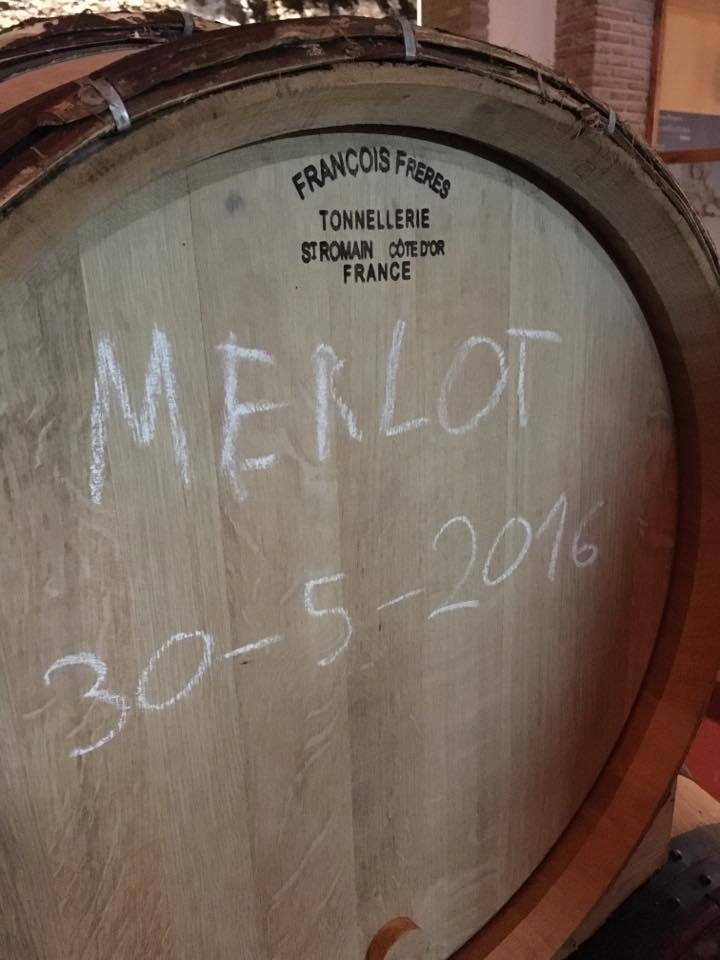
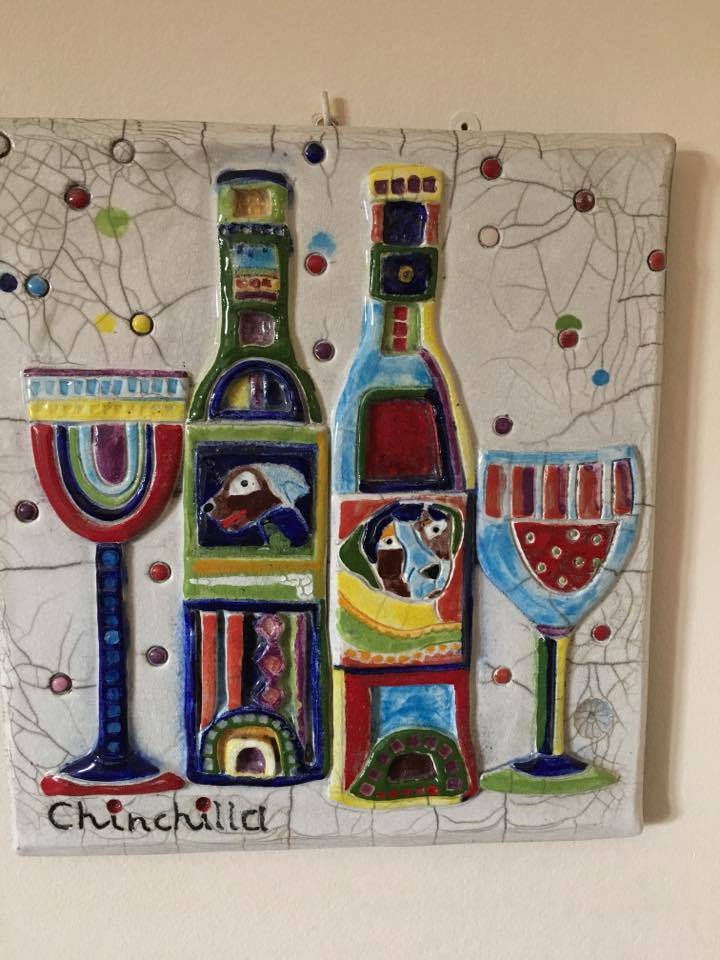
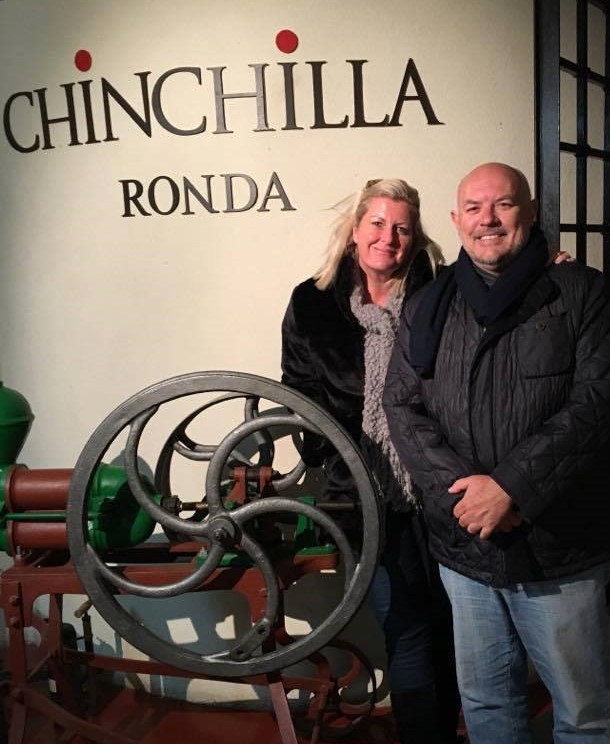
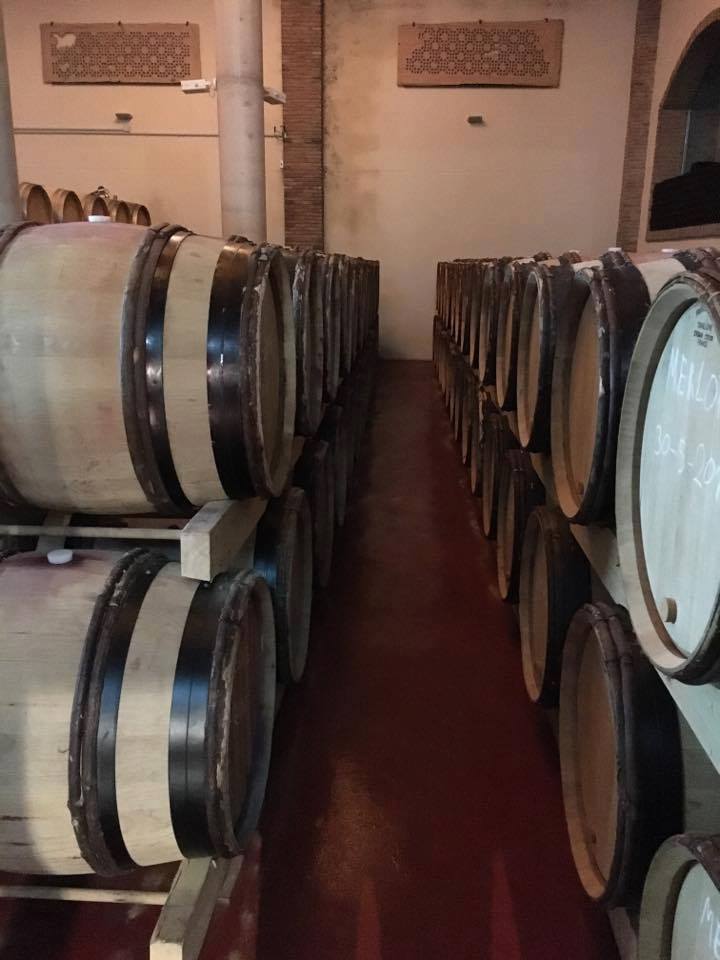
Ronda’s wine industry is ancient, with evidence the Romans cultivated vines way back around 50 BC (‘Ronda La Vieja’ – Land of Wines). However, in the early 19th Century, a disease caused by insects, attacked the roots of the vines, completely destroying the vineyards. Not a grape was grown in Ronda for nearly 200 years! As a result, many of the vines we visited today were quite young, only 20 years old.
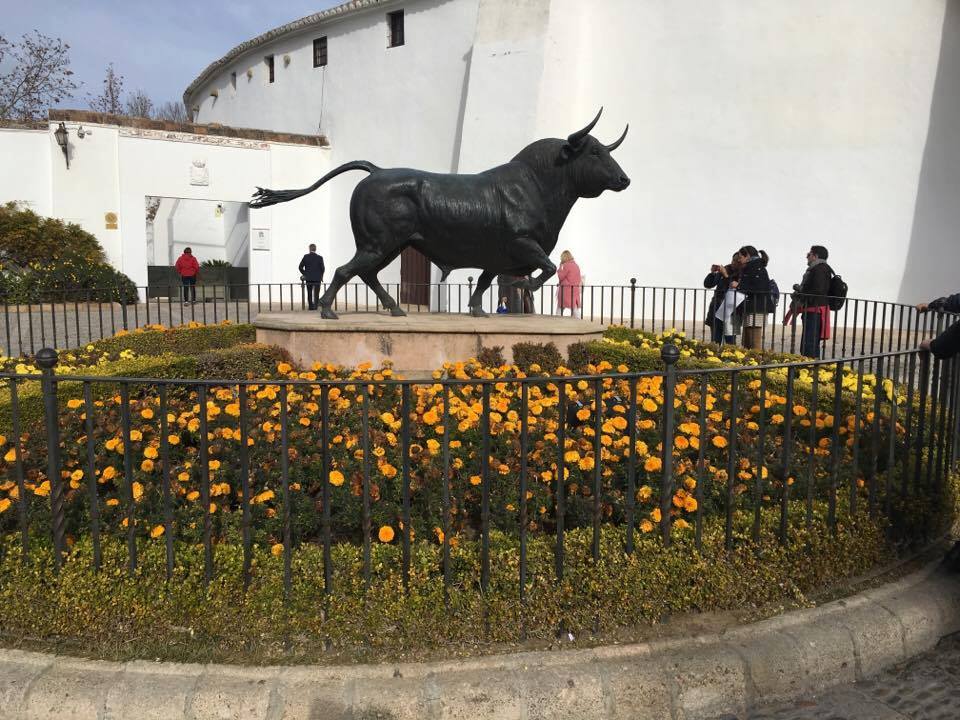
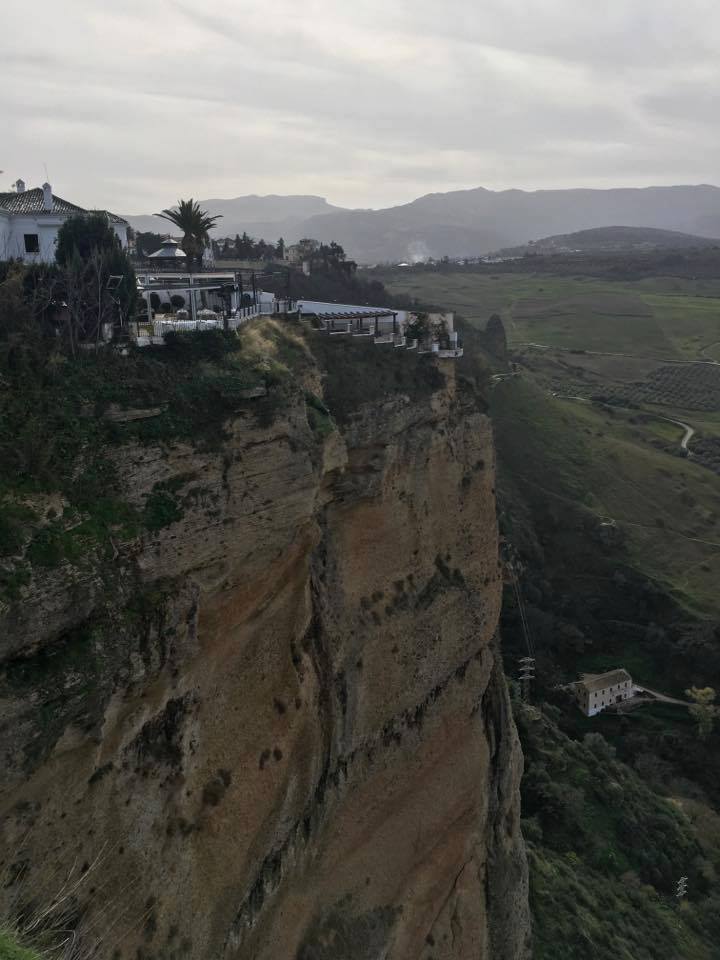
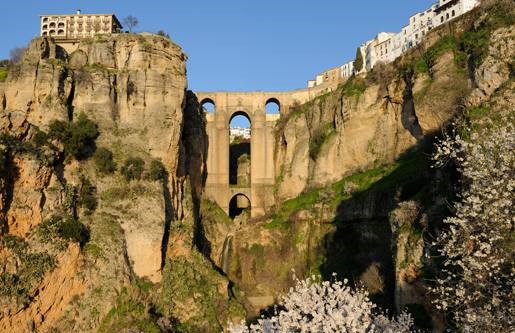
After Chinchilla, it was off to Ronda, were we had over two hours to wander around the ancient city. Ronda is perched on a plateau with dramatic escarpments and views over the Serranía de Ronda Mountains. It is situated above the deep El Tajo gorge and features an 18th century bridge which straddles the chasm in an amazing feat of engineering and ingenuity. The views outward are unparalleled, the views downward are heart-stopping.
Our next vineyard is the Bodegas Garcia Hidalgo, where we will be having lunch. It’s a tiny vineyard run by husband (Miguel) and wife (Isobel) team who do everything, the wine tours, the pruning, the harvest, the bottling, the labelling, the cleaning, the cooking and they grow all their own food!. They also run a small B&B, plus offer Spanish cooking classes. I wonder when they have time to sleep.
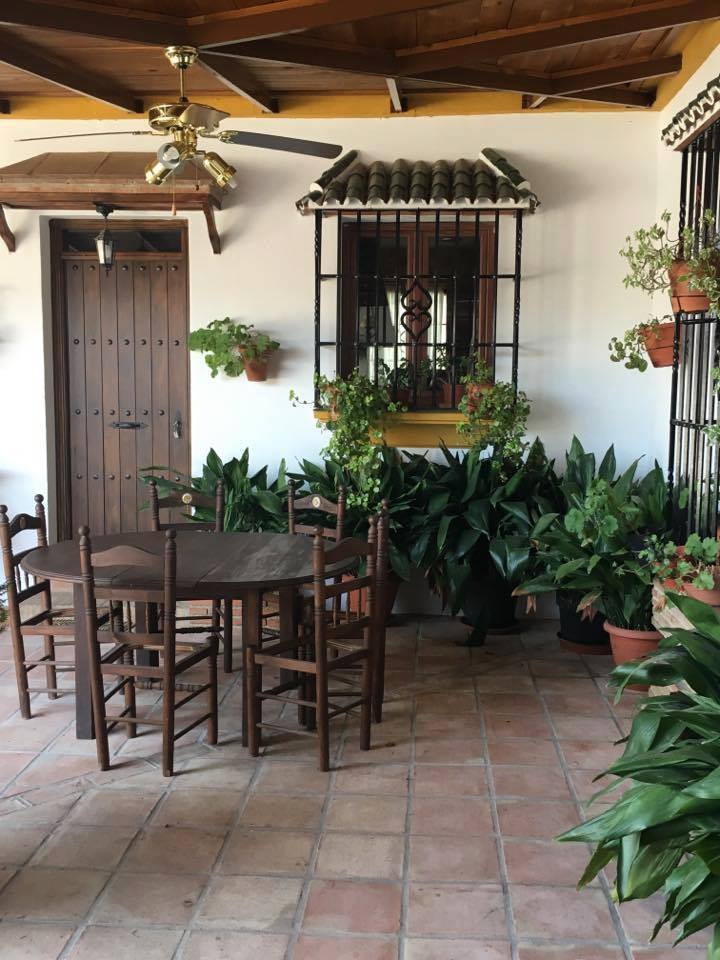
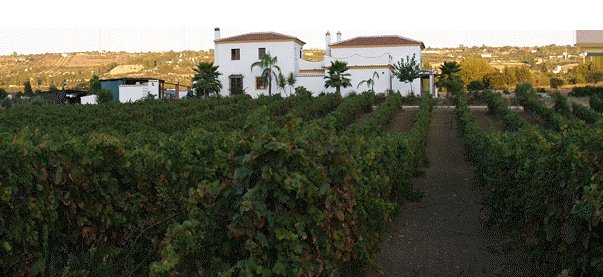
By 3pm, it’s lunchtime. The dining room is large and very rustic, with terracotta floors, high ceilings and tables set with snow white table cloths. The sun is streaming though tall windows, offering views of the bare and freshly pruned vines outside. There’s eight of us at our table, including four Americanos, who weren’t as annoying as I thought they’d be.
Lunch starts with bread, like it almost always does in Spain. This bread is warm and fresh, home-made and straight from the oven. Isobel places thick slices in a large basket along with bottles of olive oil, grown and pressed at the vineyard. Enthusiastically, we tear the bread into chunks, dip it into golden olive oil and devour it. I can’t remember bread ever tasting this good before.
Side note – I learnt something I never knew before about olive oil….it goes off. It has a shelf life of only about 9 months, and a long discussion was held over lunch about the virtues of olive oil and the ‘cheap’ oils that are blended and filled with chemicals. Apparently, some of the better olive oil producers are now adding the vintage date to their labels, so people know when the oil was produced. There’s a test to determine if you are using ‘real’ olive oil. Apparently, you pour oil into a small glass and leave in the fridge overnight. It should become thick and cloudy (the monounsaturated fats solidify when cold). If not, it’s a blend and full of chemicals. So folks, buy smaller bottles of olive oil and use it all within 6 months, then buy the next bottle. Buy the best olive oil you can afford. I am now an olive oil aficionado!
After the bread, there were a large variety of tapas followed by a seafood paella. The food was amazing. Oh, there was wine too, but the food!
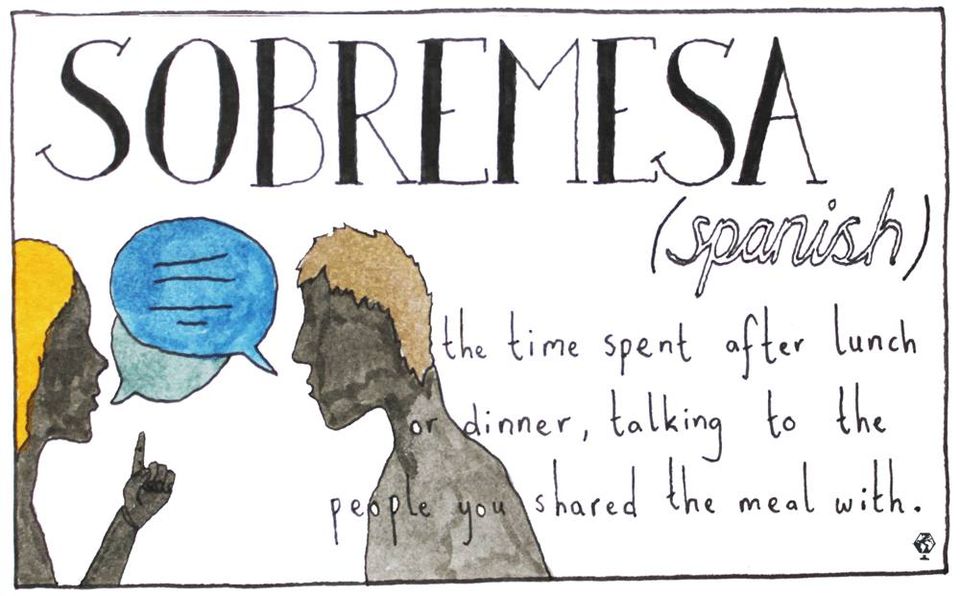
There’s a word in Spanish “sobremesa” which means the time spent in conversation at the dining table following the meal. We have sobremesa down to a fine art.
#ILoveSpain
 The Tepid Travellers